Hospice at Home vs. Facility: What Families Need to Know | Engrace Hospice
A lot of families assume hospice means moving somewhere. It does not. The team comes to your loved one - at home, in a nursing facility, wherever they already are.
The first question I hear from almost every family is some version of: "So where does this happen? Do we have to move them somewhere?"
No. That is the short answer, and it matters enough to say upfront.
Hospice at home in Oregon is available for patients living in their own house or apartment. But it is just as available in nursing homes, assisted living facilities, and adult foster care homes. The team travels to the patient. Wherever your loved one already is - that is where hospice happens.
Still, the day-to-day experience of hospice looks pretty different depending on the setting, and it helps to know what you are actually signing up for in each one.
Hospice Comes to You
Hospice is not a building. There is no campus you move to, no waiting list for a bed. A team of nurses, aides, social workers, and chaplains drives out to your loved one - in Pendleton, Hermiston, La Grande, Milton-Freewater, wherever.
Families frequently do not learn this until they are already in a crisis. By then they have spent weeks assuming a move was required, which sometimes meant delaying the whole conversation. The goal of hospice has always been to keep people in a familiar place, surrounded by who and what they know. A move at the end of life - especially for someone with dementia or serious physical decline - can genuinely set someone back. Hospice is built around avoiding that when possible.
What Home Hospice Looks Like Day to Day
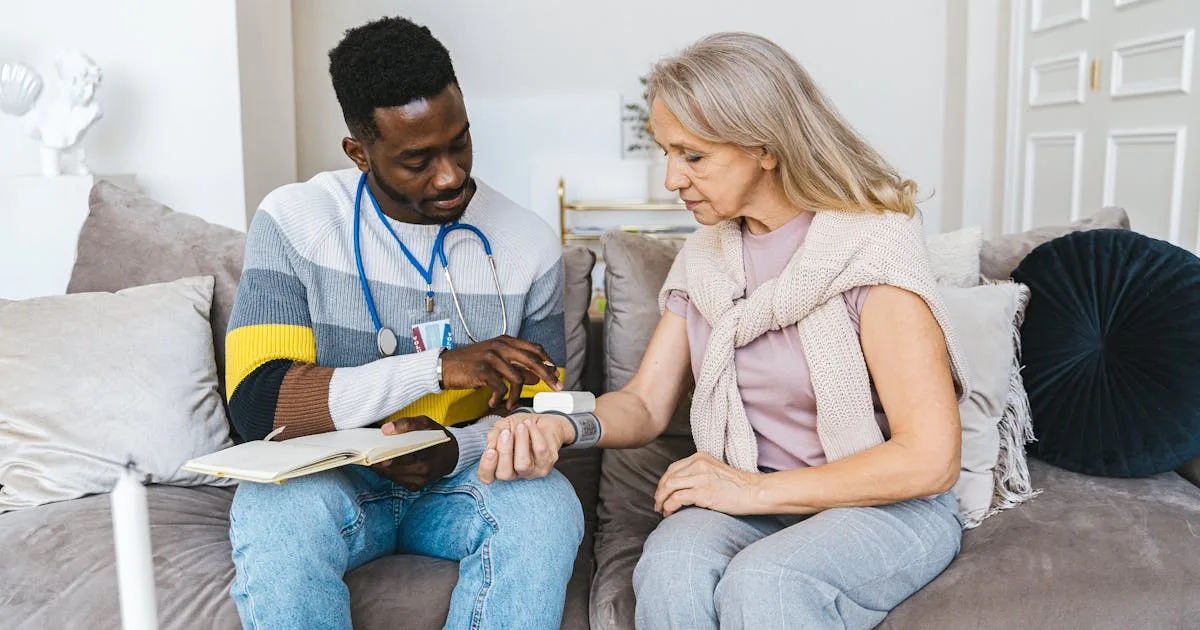
For patients living at home - with family, with a hired caregiver, or more independently - the hospice schedule typically runs something like this:
- Registered nurse comes one to two times per week to check symptoms, adjust medications, and talk through what the family is seeing between visits
- Certified nursing assistant comes two to five times per week - bathing, grooming, repositioning, the hands-on personal care that wears caregivers out fast
- Social worker visits twice a month, mostly to help with the practical and emotional weight of what the family is carrying
- Chaplain visits twice a month, for any faith background or none at all
- 24/7 on-call nurse line - an actual nurse picks up, not a voicemail system
Between visits, someone needs to be there. That is usually a family member, sometimes a hired aide. The hospice team trains them - how to give medications, what to watch for, how to reposition someone safely. Most family caregivers say those early weeks feel overwhelming, and then something clicks. The visits become familiar. The care plan stops feeling abstract.
Medications, medical supplies, and equipment - hospital beds, wheelchairs, oxygen - are all delivered to the house and covered under the Medicare hospice benefit. Families are often surprised by how much comes included.
Hospice in a Nursing Facility or Assisted Living
When someone already lives in a nursing home or assisted living facility, hospice does not replace what the facility does. The facility keeps running room and board, meals, and daily personal care. What hospice brings in is a separate layer - more frequent clinical attention, better symptom management, and support that many facilities simply do not have the staffing to provide on their own.
Here's what actually changes when hospice comes into a facility:
- The hospice nurse checks in regularly and talks directly with the facility's care team about what is changing
- Medications tied to the hospice diagnosis get covered by the hospice benefit - that cost does not land on the family separately
- The social worker and chaplain start showing up. Many facilities want to offer this kind of support but cannot staff it consistently. Hospice fills that gap.
- Families get a direct line to the on-call nurse, day or night, without having to call the facility's front desk first
Some families worry about disrupting a routine their loved one has finally settled into. Honestly, that rarely happens. The hospice team works around the facility's schedule, gets to know the staff, and tends to become a welcome presence. More than once I have heard family members say they wished they had asked about it months earlier.
Do You Have to Move to Receive Hospice?
No - and this comes up enough that it is worth a direct answer.
Engrace Hospice comes to patients. We cover Pendleton, Hermiston, La Grande, Milton-Freewater, and the surrounding areas of Umatilla and Union County. If your loved one is settled at home or has lived in a facility for years, we come to them. We do not ask you to uproot anyone.
If you are still working through when the right time to call hospice is, you do not have to figure out the location question first. Our intake team can talk through both at once. And if you just have questions before making any decisions, you can reach out to us directly - no commitment, no pressure.
What to Consider When Choosing a Setting
Honestly, most families do not get to choose. The patient is already somewhere, and hospice meets them there. But if you are actively deciding whether to keep a loved one at home or move them to a facility, a few things are worth thinking through:
- How much physical care does your loved one need between hospice visits - and who is there to provide it?
- Are there safety concerns at home: falls, wandering, getting confused about medications?
- What does your loved one want? Some people are clear that they want to be home. Others feel safer knowing staff is around all night.
- How is the family caregiver holding up? Burnout is real, and it affects the quality of care the patient receives.
Our social worker can sit with you through exactly these questions. Looking at what our care team provides may also help you get a clearer sense of what hospice does and does not cover in a home setting.
Frequently Asked Questions
Do we have to move my parent to receive hospice care? No. Your loved one stays put. Hospice comes to them - at home, in a nursing home, in assisted living, or in an adult foster home. There is no transfer required to get started.
Can hospice be provided in the nursing home my loved one already lives in? Yes. Hospice works alongside the facility staff, not in place of them. The facility keeps doing what it does. The hospice team comes in on top of that - more clinical attention, better symptom management, a social worker and chaplain who actually show up regularly.
What happens if my loved one's condition changes and they need more care than home hospice can provide? Hospice includes an inpatient benefit for short-term stabilization when symptoms become too hard to manage at home. Once things are under control, care can move back to the home setting. Your hospice nurse handles the logistics of that - you do not have to figure it out alone in a crisis.
Is there a difference in what Medicare covers depending on where hospice is provided? The core hospice benefit covers the same services regardless of setting. When someone is in a nursing facility, Medicare covers the hospice services, while room and board is usually covered separately through Medicare Part A or Medicaid. Your specific coverage depends on your situation - our intake team can walk through it with you before you commit to anything.
Engrace Hospice serves patients and families in Pendleton, Oregon and throughout Umatilla County. Our team is available 24 hours a day - call us at +1 541-263-7494 or contact us online.